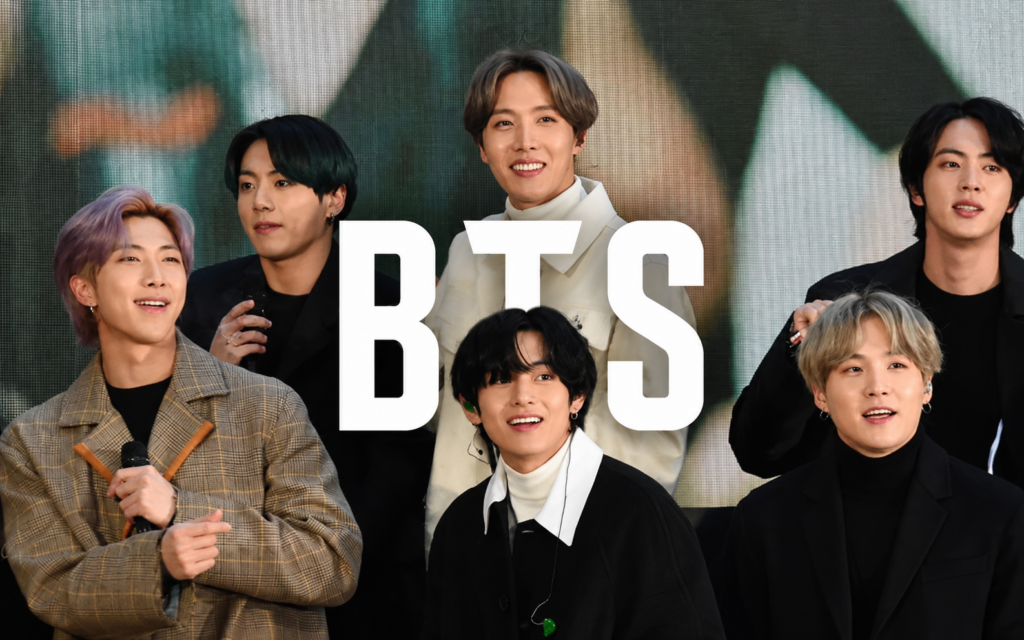
As BTS brings its Arirang World Tour to North America, the group’s arrival is turning into more than just a series of concerts. Cities are embracing BTS as a major cultural and economic event, with local governments changing road names, declaring official BTS themed weekends, and even adjusting public transportation to accommodate concertgoers.
In Toronto, Canada, city officials have moved forward with plans to temporarily rename sections of local roads “BTS Boulevard.” The designation is expected to run from August 21 to September 23, surrounding the group’s concerts on August 22 and 23. The city is also pursuing plans to declare the concert dates “BTS Weekend.” BIGHIT MUSIC has confirmed that it is in discussions with Toronto regarding approval for the use of BTS related intellectual property.
The welcome has been equally notable in the United States. Maryland Governor Wes Moore released a video ahead of BTS’s Baltimore concerts, personally naming all seven members, RM, Jin, SUGA, j hope, Jimin, V, and Jung Kook, and inviting fans to celebrate their arrival. The video even included Korean subtitles. Moore emphasized BTS’s ability to connect people across cultures, communities, and languages.
What makes the North American tour particularly interesting, however, is its economic impact. In Baltimore, where BTS performed on August 10 and 11, local transportation authorities extended train service and pushed back the final departure times to accommodate the expected crowds. A single concert was significant enough to influence the city’s transportation system.
This is part of a much larger trend in the United States known as the “concert economy.” Last year, the combined revenue of the top touring acts in North America reached approximately $5.8 billion, up 55 percent from 2019. Stadium concerts alone generated an average of around $7.11 million per show, while the average ticket price reached about $216. The broader U.S. live music market has grown to approximately $18.5 billion.
The phenomenon became widely known through terms such as “Taylornomics” or “Swiftonomics,” which describe the economic impact of Taylor Swift’s Eras Tour. The tour generated more than $2 billion in ticket revenue over 21 months, while its wider consumer impact was estimated at as much as $5 billion. Hotels, restaurants, transportation companies, retailers, and other local businesses all benefited from the influx of concertgoers.
The effect is no longer limited to one superstar. Beyoncé, Coldplay, Oasis, Shakira, and Bad Bunny have all contributed to the booming live entertainment economy, while BTS is now becoming an important part of the same trend.
The significance of BTS’s North American tour therefore extends far beyond music. Fans travel between cities to attend concerts, book hotels, eat at local restaurants, use public transportation, and explore surrounding attractions. What begins as a two hour performance can generate economic activity throughout an entire city.
From “BTS Boulevard” in Toronto to “BTS Weekend,” a governor’s official welcome message, and extended train services in Baltimore, the Arirang World Tour demonstrates how a global music act can influence not only culture, but also tourism, transportation, hospitality, and local economies.
BTS is no longer simply bringing a concert to a city. In many cases, the city itself is moving to welcome BTS.
Schreibe einen Kommentar