
Introduction: What Can We Learn About Garlic from Korean History?
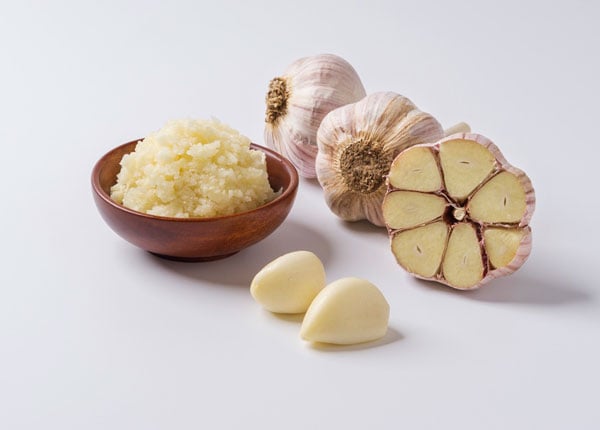
Garlic in Donguibogam offers a fascinating glimpse into how traditional Korean medicine understood an everyday ingredient long before modern nutritional science developed. Today, garlic is essential to Korean cooking, adding flavor to kimchi, soups, marinades, grilled meat, and countless side dishes. Historically, however, garlic was also valued for its medicinal properties.
The relationship between food and health has been an important part of Korean culinary culture for centuries. Traditional medical texts described the properties and uses of plants and foods, while modern researchers investigate their chemical composition and potential effects on the human body.
Garlic is particularly interesting because it connects three subjects: Korean food history, traditional medicinal practices, and modern scientific research.
In this article, we explore garlic in Donguibogam, examine what contemporary research says about garlic health benefits, and introduce practical ways to prepare garlic at home. These include roasted garlic, vinegar-pickled garlic, garlic with doenjang, garlic marinades, and black garlic.
We will also examine traditional remedies described in historical sources, explain how their meanings differ from modern medical interpretations, and discuss important safety considerations.
The goal is to appreciate traditional knowledge in its historical context while distinguishing culinary practices from medical treatments supported by scientific evidence.
1. What Is Donguibogam?
Donguibogam (동의보감, 東醫寶鑑) is one of the most influential works in the history of traditional Korean medicine. Compiled under the direction of Heo Jun during the Joseon dynasty, the book was completed in 1610 and first published in 1613.
It organizes medical knowledge about the human body, symptoms, medicinal substances, and treatment approaches. Its five major sections are Naegyeongpyeon, Oehyeongpyeon, Japbyeongpyeon, Tang-aekpyeon, and Chimgupyeon.
Donguibogam is important not only as a medical text but also as a historical record of how people understood health, food, and nature during the Joseon period.
The book belongs to a different medical tradition from contemporary biomedical science. Its descriptions reflect the theories, terminology, and knowledge of its time. Reading it today can help us understand historical approaches to health, but its statements should not automatically be treated as modern clinical evidence.
This distinction is especially important when examining garlic. A historical text may describe a substance as useful for a particular condition without providing the kind of clinical evidence required to establish a modern medical treatment.
2. What Did Donguibogam Say About Garlic?
2.1 Garlic Was Described as Warm and Pungent
In classical Chinese medical terminology, garlic is commonly referred to as Daesan (大蒜). Secondary sources reproducing information attributed to Donguibogam describe garlic as having a warm nature and a pungent taste.
In traditional Korean medicine, descriptions such as warm, cold, pungent, and bitter belonged to a system for classifying foods and medicinal substances. These terms were used to explain how a substance was thought to interact with the body.
They should not be interpreted as direct equivalents of modern measurements of temperature, chemical composition, or physiological activity.
The traditional description of garlic also includes a warning about toxicity or potential harm. This reflects the way medicinal substances were classified in historical medical literature and should not be confused with a modern toxicological assessment.
Nor does it mean that ordinary culinary use of garlic is inherently dangerous. The quantity consumed, method of preparation, individual sensitivity, and form of garlic all matter when considering its safety.
2.2 Traditional Uses Recorded in Historical Descriptions
Descriptions attributed to the garlic entry in Donguibogam go beyond taste and temperature. They include traditional uses associated with swelling, wind-dampness, cold-related conditions, digestive functions, acute illnesses involving cramps, and epidemic diseases.
The following table summarizes these traditional descriptions and explains how modern readers should understand them.
| Traditional description | Meaning in traditional medicine | What modern readers should understand |
| Used for boils and swellings | Garlic was associated with traditional approaches to certain skin swellings and inflammatory-looking conditions. | Historical external applications are not modern treatment recommendations. Raw garlic can cause irritation, blistering, and chemical burns when applied to the skin. |
| Said to remove wind-dampness | Wind and dampness were traditional concepts used to describe certain patterns of illness. | These concepts do not correspond one-to-one with specific modern medical diagnoses. |
| Said to dispel cold and wind | Garlic셲 warming and pungent qualities were understood as helping to counter conditions described as cold or wind-related. | This is a traditional interpretation, not proof that garlic treats chills, infections, circulation problems, or other specific conditions. |
| Said to strengthen the spleen and warm the stomach | In traditional medicine, the spleen and stomach were understood as part of a broader system responsible for digestion and the transformation of food. | This does not establish that garlic treats gastritis, ulcers, or other gastrointestinal diseases. Raw garlic may worsen heartburn or digestive discomfort in some people. |
| Associated with gwakran and muscle cramps | Gwakran was a historical term for an acute illness that could involve severe digestive symptoms and cramping. | The term does not map neatly onto a single modern diagnosis. Severe vomiting, diarrhea, or muscle cramps may require urgent medical assessment. |
| Said to ward off epidemic diseases | Garlic was traditionally associated with protection against certain epidemic or infectious conditions. | This is a historical belief, not proof that garlic prevents or cures infectious diseases. It should not replace vaccination, hygiene measures, or medical treatment. |
These descriptions illustrate how traditional Korean medicine interpreted garlic through the concepts available at the time. They are historically significant, but they should not be read as a list of modern, scientifically established medical benefits.
The precise wording of the original garlic entry should be verified against a reliable edition of Donguibogam before being presented as a direct quotation. The interpretations above are summaries of descriptions attributed to the text in secondary sources.
2.3 What Do Traditional Terms Such as Wind-Dampness and Gwakran Mean?
Some historical medical terms can be difficult to understand today because they reflect an older way of classifying illness.
Wind-dampness was part of a traditional framework for interpreting patterns of symptoms. It is not a modern diagnosis and should not be equated automatically with arthritis, rheumatism, swelling, or any other single condition.
Cold and wind were also concepts within traditional medical theory. Saying that garlic was used to dispel cold or wind does not establish that it can treat a modern infection or improve circulation in a clinically meaningful way.
Gwakran is a historical disease term associated with acute digestive disturbances and, in some descriptions, cramping. Its exact meaning depends on the historical context. It should not automatically be translated into the name of a particular modern illness.
Epidemic diseases, sometimes described using the historical term on-yeok (온역), were understood within the medical framework of the period. A traditional statement that garlic could ward off such diseases is not evidence that garlic prevents modern infectious diseases.
Understanding these terms helps readers appreciate the historical text without confusing its terminology with present-day medical diagnoses.
2.4 Why These Historical Descriptions Matter
The value of Donguibogam lies partly in its record of how people understood the natural world and used available ingredients in their efforts to maintain health.
Garlic was accessible, strongly flavored, and useful in cooking. It therefore occupied an interesting position between food and medicine.
However, historical significance and modern clinical effectiveness are different questions. A practice can be important to the history of medicine without being safe or effective enough to recommend today.
For modern readers, the most useful approach is to ask three separate questions:
- What did the historical text say?
- What did the statement mean within traditional medical theory?
- What does modern scientific evidence establish about the same use?
Keeping these questions separate makes it possible to explore traditional knowledge without overstating its medical implications.
3. Daesan and Sosan: Why Historical Terminology Matte
Historical studies of garlic in Korean medical literature have examined the distinction between Daesan (大蒜) and Sosan (小蒜).
The terminology used for plants can change over time, and historical names do not always correspond perfectly to modern botanical classifications. This makes it important to consider context when interpreting descriptions of medicinal plants in older texts.
A philological study by Kim Jong-deok and Ko Byeong-hee examined the terminology and historical descriptions associated with Daesan and Sosan in Korean medical literature.
Such research is useful because it reminds us that studying traditional medicine involves more than translating individual words. Researchers must also consider historical language, plant identification, and the context in which a substance was described.
For readers interested in Donguibogam medicinal herbs, this is an important lesson: historical plant names and medical classifications should be verified carefully rather than assumed to have exactly the same meanings they have today.
4. Allicin in Garlic: Why Does Garlic Have Such a Strong Smell?
One of the most interesting features of garlic is its distinctive chemistry.
Fresh garlic contains a sulfur-containing compound called alliin. When garlic is crushed or chopped, an enzyme called alliinase helps convert alliin into allicin and related compounds.
Allicin in garlic contributes to the characteristic smell of freshly crushed garlic. Its chemical composition can change depending on how garlic is cut, stored, and cooked.
This helps explain why freshly crushed garlic smells different from whole cloves or garlic that has been cooked for a long time.
Garlic’s chemistry has attracted scientific interest because some of its compounds show biological activity in laboratory studies. However, laboratory findings do not automatically demonstrate that eating garlic produces the same effect in humans.
A compound showing activity in a laboratory experiment is not the same as a treatment being proven effective in a clinical trial. The amount used, the way it is delivered, and the conditions being studied all matter.
This distinction is essential when evaluating claims about garlic health benefits.
5. Garlic Health Benefits: What Does Modern Research Say?
Modern researchers have investigated garlic and garlic supplements for their possible effects on cholesterol, blood pressure, blood sugar, and other health outcomes.
The evidence varies according to the preparation used, the amount consumed, the population studied, and the quality of the research. Findings about concentrated supplements should not automatically be applied to ordinary culinary amounts of fresh or cooked garlic.
5.1 Garlic and Cholesterol
Some research suggests that certain garlic supplements may modestly reduce total cholesterol and LDL cholesterol.
However, results vary, and it is not clear that every garlic preparation produces the same effect. Garlic should not replace prescribed cholesterol-lowering medication or professional medical advice.
5.2 Garlic and Blood Pressure
Some studies suggest that certain garlic supplements may modestly lower blood pressure in people with hypertension.
The evidence has limitations, and garlic alone should not be relied upon to control high blood pressure. People receiving treatment for hypertension should continue following their healthcare professional’s recommendations.
5.3 Garlic and Blood Sugar
Researchers have investigated whether garlic supplements affect blood glucose levels in people with diabetes. Some findings are promising, but the available evidence does not establish garlic as a substitute for established diabetes treatment.
People with diabetes should not change their medication or treatment plan based on claims about garlic.
5.4 Garlic and Immune Function
Garlic is often promoted as a food that strengthens the immune system. However, evidence that garlic supplements prevent infections or provide broad immune benefits remains limited.
Garlic can be enjoyed as part of a varied diet, but it should not be considered a guaranteed way to prevent illness.
5.5 Garlic and Cancer
Some laboratory studies have investigated compounds found in garlic for their possible effects on cellular processes. These findings have generated scientific interest, but laboratory activity does not prove that garlic prevents or treats cancer in humans.
Garlic is not a substitute for cancer screening, medical evaluation, or evidence-based treatment.
5.6 What Can We Conclude?
Modern research supports continued investigation into certain potential effects of garlic and garlic preparations. However, evidence varies by preparation and outcome, and it does not justify treating garlic as a cure for disease.
The most reasonable conclusion is that garlic is a versatile food with interesting chemical properties. Some concentrated preparations have been studied for specific health outcomes, but further evidence is needed for many claims.
6. Traditional Korean Medicine and Modern Science
Comparing garlic in Donguibogam with contemporary research reveals two different ways of understanding medicinal ingredients.
Traditional Korean medicine described substances through concepts such as temperature, taste, and their relationship to bodily conditions. Modern biomedical research investigates chemical composition, biological mechanisms, clinical outcomes, and potential risks.
| Topic | Traditional perspective | Modern scientific perspective |
| Garlic셲 properties | Described through categories such as warmth and pungency | Investigated through chemical composition and biological activity |
| Digestive effects | Discussed in historical medicinal descriptions | Specific therapeutic effects require appropriate scientific evidence |
| Skin complaints | Associated with historical external applications | Raw garlic can irritate or burn skin; evidence-based treatment is preferable |
| Cardiovascular health | Understood through traditional medical theories | Some garlic supplements may modestly affect certain cardiovascular risk factors |
| Infectious diseases | Garlic was historically associated with warding off epidemic illnesses | Garlic has not been established as a replacement for infection prevention or treatment |
| Everyday use | Part of historical medicinal and culinary traditions | Commonly used as food; supplements require attention to evidence and safety |
Traditional records are valuable historical sources, but they are not equivalent to modern clinical trials. At the same time, historical practices can provide questions for contemporary researchers to investigate.
A careful comparison respects the historical context of Donguibogam while evaluating modern health claims using appropriate scientific evidence.
7. Practical Ways to Eat Garlic: Traditional Methods and Everyday Recipes
Garlic in Donguibogam is an interesting subject not only because of its historical descriptions, but also because garlic remains an important ingredient in everyday Korean cooking.
The book Garlic and Donguibogam: Treating Diseases with Garlic, attributed to Yoshio Kato, discusses garlic’s properties, preparations, and traditional uses. Its descriptions offer a way to explore the history of garlic use, although the book’s exact bibliographic details should be checked against its copyright page before publication.
The recipes below focus on practical culinary uses rather than unverified medical treatments.
7.1 Roasted Garlic: A Milder Flavor
Roasting is one of the simplest ways to enjoy garlic. Raw garlic has a sharp, pungent flavor, while roasting softens its texture and produces a milder, sweeter taste.
Ingredients
- 1 whole garlic bulb
- A small amount of olive oil or another cooking oil, if desired
Method
- Preheat the oven to 180°C (350°F).
- Remove loose outer layers of garlic skin while keeping the bulb intact.
- Cut a small portion from the top to expose the cloves.
- Place the bulb in an oven-safe dish and add a little oil if desired.
- Roast for approximately 30–40 minutes, until the cloves are soft.
- Allow the garlic to cool before squeezing the cloves out of their skins.
Roasted garlic can be spread on bread, mixed into mashed potatoes, added to soups, or served alongside grilled meat and vegetables.
Its main culinary advantage is its softer texture and sweeter flavor. These changes should not be confused with proof of a particular therapeutic effect.
7.2 Vinegar-Pickled Garlic
Vinegar-pickled garlic combines garlic’s distinctive flavor with the acidity of vinegar. The sharp taste may become milder over time, depending on the preparation.
Ingredients
- 200 g peeled garlic cloves
- Enough food-grade vinegar to cover the garlic
- A clean glass jar
Method
- Peel the garlic and remove damaged cloves.
- Prepare the cloves using clean utensils and a clean jar.
- Place the garlic in the jar.
- Add vinegar until the cloves are completely covered.
- Close the jar and refrigerate.
- Allow the flavor to develop before serving.
Keep this simple refrigerator-pickle version refrigerated. Follow a tested food-safety recipe for storage duration, and do not assume that an ordinary vinegar soak makes garlic safe for long-term storage at room temperature.
Serve small portions with rice, grilled meat, noodles, or other Korean meals.
7.3 Garlic with Doenjang: A Korean-Inspired Combination
The book describes traditional approaches to combining garlic with doenjang, a Korean fermented soybean paste. This combination reflects the long-standing relationship between garlic and fermented foods in Korean cuisine.
For an easy everyday version, garlic can be mixed with doenjang to make a savory seasoning.
Ingredients
- 2–3 garlic cloves, finely chopped
- 1 tablespoon doenjang
- 1 teaspoon sesame oil
- A little water to adjust the consistency
- Optional chopped spring onion or sesame seeds
Method
- Finely chop the garlic.
- Mix it with the doenjang and sesame oil.
- Add a little water if the mixture is too thick.
- Add spring onion or sesame seeds if desired.
- Serve in a small quantity alongside rice and vegetables, or use it as a seasoning for cooked meat.
This is a quick culinary adaptation, not the same as a long-term fermented garlic preparation.
For long-term fermentation, use a tested recipe with appropriate salt levels, storage conditions, and food-safety guidance. Simply covering garlic with doenjang and adding soy sauce after a week does not guarantee safe preservation.
7.4 Garlic Marinade for Meat and Fish
Garlic is widely used in Korean marinades because it adds aroma and savory depth. It complements meat and fish and helps build the distinctive flavor of many Korean dishes.
Ingredients
- 2 garlic cloves, minced
- 1 tablespoon soy sauce
- 1 teaspoon sesame oil
- 1 teaspoon water
- Black pepper to taste
Method
- Mince the garlic.
- Mix it with the soy sauce, sesame oil, water, and black pepper.
- Coat sliced meat or suitable fish with the marinade.
- Keep the food refrigerated while marinating.
- Cook thoroughly before serving.
Garlic contributes to the flavor of the dish, but it should not be relied upon to eliminate harmful microorganisms. Proper refrigeration and cooking remain essential.
7.5 Using Garlic in Everyday Korean Cooking
Garlic can be used in many everyday dishes without requiring a special preparation.
- Add minced garlic to soups and stews for a deeper savory flavor.
- Mix garlic with soy sauce and sesame oil to make a simple seasoning.
- Add chopped garlic to marinades for grilled pork or beef.
- Combine garlic with vegetables and fermented seasonings.
- Roast whole cloves and serve them with grilled meat or vegetables.
These practical methods allow readers to enjoy garlic as food while avoiding unsupported claims that a particular preparation can cure disease.
8. Black Garlic: How Garlic Changes During Aging
Black garlic is made by holding whole garlic bulbs under controlled temperature and humidity conditions for an extended period. During the process, the cloves become dark, soft, and sticky, while their flavor becomes sweeter and less pungent.
The book describes a home method using the keep-warm setting of an electric rice cooker. However, an ordinary rice cooker may not provide precise control over temperature, humidity, or ventilation. The safety and quality of the result can therefore vary.
For reliable results, use a tested black-garlic method or equipment designed to control the required conditions. Avoid leaving garlic in an appliance for extended periods without confirming that the process is appropriate.
Black garlic can be used in sauces, dressings, marinades, and vegetable dishes. Its sweeter flavor also works well with roasted vegetables and grilled meat.
Researchers have investigated the compounds found in black garlic, but claims that it detoxifies the body or treats particular diseases should not be accepted without reliable clinical evidence.
9. Traditional Garlic Remedies: Historical Practices and Modern Safety
The book Garlic and Donguibogam: Treating Diseases with Garlic describes several traditional methods of using garlic beyond ordinary cooking. These include consuming crushed garlic, preparing garlic with fermented soybean paste, making garlic juice, and applying garlic to the skin.
Such descriptions are part of the history of traditional remedies. They should not automatically be interpreted as safe or effective treatments.
9.1 Swallowing Crushed Raw Garlic
The book describes a method involving crushed garlic wrapped in edible film and swallowed with water.
This method should not be followed. Swallowing a wrapped portion of raw garlic can create a choking risk, and raw garlic may irritate the digestive tract.
A safer culinary approach is to use small amounts of chopped or crushed garlic in food.
9.2 Applying Garlic to the Skin
Some traditional remedies describe placing crushed or sliced garlic directly on the skin to treat fungal infections or other skin problems.
This practice is not recommended. Raw garlic can cause significant irritation and chemical burns. It should not be applied directly to the skin as a treatment for athlete’s foot, ringworm, boils, or other conditions.
For suspected fungal infections, use an appropriate, evidence-based treatment and seek medical advice when necessary.
9.3 Garlic Juice and Mouth Rinses
Traditional sources also describe garlic juice for various uses, including oral applications. However, raw garlic juice can irritate the mouth and other sensitive tissues.
It should not be used as a substitute for established oral hygiene practices or dental treatment.
9.4 Claims About Serious Diseases
Historical remedies and later popular health books sometimes associate garlic with conditions such as stomach cancer, liver disease, heart problems, arrhythmia, stroke, pneumonia, and infectious diseases.
These claims must be evaluated individually. The presence of a remedy in a historical source does not establish that it is effective, and evidence about one biological effect of garlic cannot be used to validate every traditional claim.
Garlic should not replace emergency treatment, prescribed medication, cancer care, or appropriate treatment for cardiovascular, respiratory, or infectious diseases.
The key lesson is that a method can be historically interesting without being suitable for modern use.
10. Garlic Breath: What Can Help Reduce the Smell?
Garlic’s strong smell is one of its most familiar characteristics. The smell can remain on the breath after eating garlic, and some sulfur-containing compounds are also absorbed and later released through the lungs.
Certain foods and oral hygiene practices may help reduce the smell, although none is guaranteed to eliminate it completely.
10.1 Milk and Dairy Products
Milk and some dairy products have been studied for their potential to reduce garlic odor. Their effectiveness can depend on the food, how it is consumed, and the amount of garlic eaten.
Drinking milk with a meal may help some people, but it should not be considered a guaranteed solution.
10.2 Fresh Herbs and Vegetables
Fresh herbs and vegetables may help reduce some odors in the mouth. However, claims that chlorophyll or green juice completely neutralizes garlic breath are not well established.
10.3 Oral Hygiene
Brushing the teeth, cleaning the tongue, flossing, and drinking water can help maintain oral hygiene after a garlic-rich meal.
Because some garlic compounds are released through the lungs, the smell may persist even after brushing. Time is often needed for the odor to fade.
10.4 Removing Garlic Smell from Hands
If garlic odor remains on your hands after cooking, washing them thoroughly with soap and running water is a practical first step. A stainless-steel surface is sometimes used as a folk remedy, but its effectiveness is not guaranteed.
Vinegar is also sometimes suggested for removing garlic odor from hands, but it may irritate sensitive or damaged skin. Gentle washing is generally the simplest approach.
11. Is Garlic Safe to Eat Every Day?
Garlic is widely used in cooking, but its effects depend on the amount consumed, individual sensitivity, and the form in which it is taken.
Some people experience bad breath, body odor, abdominal discomfort, gas, or nausea after consuming garlic. Raw garlic may be particularly irritating for sensitive individuals.
Garlic supplements require additional caution because they may increase bleeding risk, especially for people taking anticoagulants or aspirin or preparing for surgery. People who take regular medication should discuss concentrated garlic supplements with a healthcare professional when appropriate.
Applying raw garlic directly to the skin is not recommended because it can cause significant irritation and chemical burns.
For most people, using ordinary culinary amounts of garlic in a varied diet is a practical way to enjoy its flavor. Garlic should not be relied upon as a substitute for medical evaluation or treatment.
12. Conclusion: Understanding Garlic Through History, Cooking, and Science
Garlic in Donguibogam provides a window into how traditional Korean medicine classified and used a familiar ingredient. The historical descriptions extend beyond garlic’s pungent taste and warm nature to include traditional applications associated with swelling, wind-dampness, digestive functions, cold-related conditions, and epidemic illnesses.
Understanding these descriptions requires care. Traditional medical terms do not always correspond to modern diagnoses, and historical claims should not be confused with established medical treatments.
Modern science has investigated compounds such as allicin and explored the possible health effects of garlic preparations, although the strength of the evidence varies by preparation and outcome.
The book Garlic and Donguibogam: Treating Diseases with Garlic also offers insight into traditional preparation methods and everyday uses. Roasting, pickling, seasoning with doenjang, and preparing garlic marinades are practical culinary ideas that can still be enjoyed today.
The most important distinction is between a traditional recipe and a medical treatment. A preparation may be flavorful, historically significant, or useful in cooking without being proven to prevent or cure a disease.
By combining historical sources, practical recipes, and contemporary scientific research, we can appreciate garlic from three complementary perspectives: Korean food history, everyday cooking, and modern science.
Garlic remains a versatile ingredient in Korean cuisine. Understanding its history and using it safely allows us to enjoy its flavor while approaching health claims with appropriate care.
References
- Heo Jun. Donguibogam (동의보감). Compiled in the early seventeenth century. Consult a reliable original-text edition or scholarly translation when verifying the wording of the garlic entry.
- Kim, Jong-deok, and Ko, Byeong-hee. “A Philological Study on Garlic (Daesan, 大蒜): A Comparative Study of Daesan (大蒜) and Sosan (小蒜).” Journal of Sasang Constitutional Medicine, 9(2), 1997, pp. 287–299. KCI article record
- DonguiHub. “Garlic (大蒜) in Traditional Korean Medicine.” A secondary source presenting information attributed to Donguibogam. Read the page
- National Center for Complementary and Integrative Health (NCCIH). “Garlic: Usefulness and Safety.” Read the overview
- Kato, Yoshio. 질병을 치료하는 마늘 동의보감 [English title to be verified]. Central Life Publishing. Verify the exact title, author spelling, publication year, and edition using the book’s copyright page before publication.
Schreibe einen Kommentar